
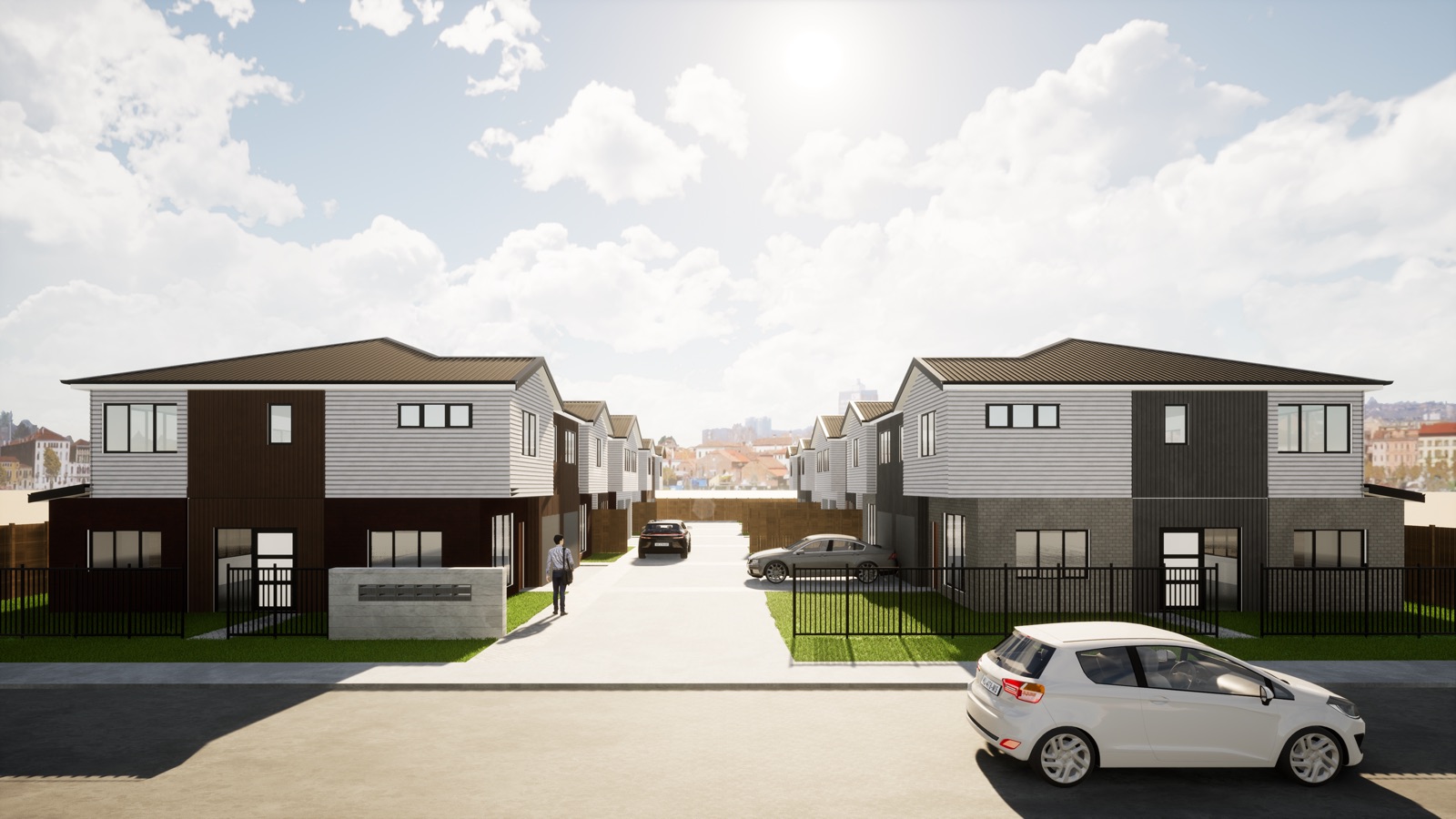
The structural difference.
NSW operates a state-driven regime through the Environmental Planning & Assessment Act 1979 with the Department of Planning setting policy. Most building work is consented through Complying Development Certificates (CDCs), which private certifiers can issue. Local councils handle Development Applications (DAs) for anything outside CDC.
Queensland sits under the Planning Act 2016, but the practical day-to-day is the Building Act 1975 for building work and the National Construction Code via private certifiers. Local councils review siting and overlays, but the building consent itself is almost always private.
Where the friction lives.
1. The certifier landscape
In NSW, registered certifiers are bound by tight conflict-of-interest rules and a quality-assurance regime that's tightened significantly since the Opal Tower findings. In QLD, private certifiers have more latitude, but you'll pay more attention to council overlays — coastal hazard, koala habitat, flood, bushfire — which can dwarf the building consent itself.
2. Class 1a vs Class 1b
This catches NSW developers in QLD constantly. Anything more than 6 unrelated occupants or any short-stay accommodation (think AirBnB at scale) is Class 1b, which triggers different fire-separation and exit requirements. NSW has comparable rules but applies them differently in practice.
3. Bushfire and BAL
Both states use AS 3959 for bushfire attack level (BAL) assessment, but the trigger maps and review timelines are state-specific. QLD's State Planning Policy bushfire overlay is broader than many NSW LEP overlays — assume bushfire assessment is needed in QLD unless explicitly excluded.
4. Coastal hazard overlays
Queensland's Coastal Hazard Adaptation Strategy work has put many coastal LGAs into formal coastal hazard maps. NSW has equivalent state policy but inconsistent council implementation. A coastal block in NSW might breeze through; the same block in QLD might trigger a level-2 hazard assessment.
5. The water authority approvals
QLD: Unitywater, Urban Utilities, Logan Water and the like are separate from council, and you'll typically need them in parallel with building approval. NSW: Sydney Water (and equivalents) operate similarly but their stormwater compliance is often folded into the council DA. Plan extra time for QLD water authority approvals — 4–6 weeks is realistic.
The documentation that survives both states.
If you're producing a documentation set that needs to flex across both jurisdictions, build it around these:
- NCC compliance schedule — both states use the National Construction Code. Make this explicit, not implicit.
- BAL/AS 3959 statement even when not required by the LGA — costs little to include, often saves a re-lodgement.
- Stormwater MUSIC modelling — overkill for many small projects, but mandatory for many medium and up, and accepted in both states.
- Energy efficiency NCC Section J / BASIX (NSW) / QDC MP 4.1 (QLD) statement — state-specific section, single calc methodology.
"Treat NSW and QLD as two different countries that happen to share the NCC. The code is shared; the workflow, the certifier behaviour, and the overlay maps are not."
Typical timelines.
- NSW CDC residential: 21 business days from lodgement to certificate, if compliant.
- NSW DA residential: 60–120 days, depending on the LGA.
- QLD building approval residential: 10–15 business days through a private certifier, but add 4–8 weeks for council siting/overlay clearance.
- QLD development approval (material change of use): 30–60 business days, plus statutory referral periods.
If you're scoping a build with us across either state, the first thing we ask is the LGA name. That tells us the certifier pool, the overlay risk, and the realistic timeline before we ever look at the brief.